The moving checklist apartment renters need starts with a move date, building rules, and a room-by-room plan. Set tasks by week, measure tight spaces, sort items early, and pack an essentials box. This simple plan helps Temple renters avoid delays, protect shared areas, and settle into a new apartment with less stress.
Table of Contents
- What should you do first when moving to an apartment?
- How far in advance should you start planning an apartment move?
- What should you check before signing an apartment lease?
- How do you sort and declutter belongings before an apartment move?
- What packing system works best for an apartment move?
- What administrative tasks need to be completed before moving day?
- How should you prepare an apartment for professional movers?
- What should you do during the final week before an apartment move?
- What should you do on apartment moving day?
- What should you do after moving into your apartment?
- Frequently Asked Questions
What should you do first when moving to an apartment?
First, set the move date, read the lease, and make one master plan. Write down tasks, building rules, key dates, and people who must help. This moving checklist for renters keeps the work clear and helps prevent problems with keys, elevators, parking, and access.
Set your moving timeline and priorities
Start with the end date for the old lease and the start date for the new one. Leave time for cleaning, repairs, travel, and a late key handoff. Try not to place every task on the day of moving.
List tasks that depend on other people. These may include reserving an elevator, booking movers, arranging a truck, starting utilities, or asking for time off. Do these first because another person or company controls the timing.
Sort tasks into three groups: must do, should do, and nice to do. Must-do tasks include signing papers, changing your address, packing medicine, and securing access. The other tasks can wait if the plan gets tight.
Temple Texas Movers can help renters plan around stairs, elevators, narrow halls, and building access. The right service depends on the apartment size, travel distance, furniture, and packing needs.
Create a master moving folder
A master folder keeps important details in one place. It can be a paper folder, phone note, or cloud folder. Add the lease, building rules, mover details, utility records, item notes, and cleaning list.
Keep contact details for the landlord, property manager, building office, movers, utility companies, and anyone helping with pets or children. Keep private records in a safe place, not in an open box or shared file.
Use this short first apartment checklist:
- Confirm the new address and key collection plan.
- Save the building’s move-in and parking rules.
- Record the elevator or loading space booking.
- Gather lease, identity, and insurance papers.
- Note items that need special care or extra help.
How far in advance should you start planning an apartment move?
Most apartment moves are easier when planning starts eight weeks or more ahead. A shorter plan can work, but choices must be made quickly. Your moving checklist apartment plan should change as moving day gets closer.
Eight or more weeks before moving day
Read the lease and confirm the move-out notice. Check cleaning duties, inspection rules, key returns, and moving time limits. Ask about loading areas, elevator use, hallway covers, and insurance papers.
Choose a move date that works with work, school, travel, and family plans. If the building has set move-in windows, ask about open times before making other plans.
This is a good time to sort your belongings. Moving fewer items makes packing and carrying easier. It can also help you fit better in a smaller apartment.
Gather strong boxes, paper, tape, labels, and wrap. Reuse clean boxes when they are safe. Avoid boxes that are wet, crushed, or weak. Put books and heavy items in small boxes. Use larger boxes for light items.
Six to four weeks before moving day
At six to four weeks out, confirm the moving plan and begin steady packing. Pack things used less often, such as seasonal clothes, spare dishes, decorations, and stored files.
Tell the post office, banks, employers, schools, insurers, and key services about your new address. Some updates take time. Early notice helps prevent missed bills and lost mail.
Arrange utility changes for both homes. Check which services the lease includes and which ones need separate accounts.
Measure large furniture and the path into the new apartment. A sofa may fit the room but fail to fit the door, stairs, or elevator. Early measurements prevent hard surprises.
Temple Texas Movers can help Temple residents think through access and furniture protection before the move. A clear plan tells everyone what will happen before the first box leaves.
What should you check before signing an apartment lease?
Before signing, check access rules, move-in limits, lease fees, and space for large items. Measure the path from the outside door to each room. These steps can prevent access trouble after the lease begins.
Confirm move-in rules and building requirements
Ask the property manager how moves must be booked. Some buildings limit moving hours or need advance notice. Others require a reserved elevator, loading area, floor covers, or proof of insurance.
Ask where the truck may park and how long it may stay. Check for height limits, gates, driveways, and loading docks. A truck that cannot reach the right door may slow the move.
Confirm how keys, access cards, and parking permits work. Ask who opens locked doors if the move is outside office hours. Write the answer in your moving folder.
Read the lease for rules about pets, wall hangings, cleaning, repairs, and move-out checks. These rules may affect furniture placement and the final handoff of the old apartment.
Measure rooms, doors, elevators, and stairways
Measure the largest furniture first. Record its height, width, and depth. Note which parts can come off. Then measure doors, halls, elevator doors, elevator space, stairs, and tight corners.
Look for low lights, handrails, door closers, sharp turns, and narrow landings. You need room to turn an item, not only room to move straight through an opening.
Take photos of hard areas. Note doors that must stay open and surfaces that need covers. These details help movers choose a safer path.
Special items need extra thought. A piano, glass cabinet, exercise machine, or safe may need special tools and a separate plan. Ask about these items before moving day.
How do you sort and declutter belongings before an apartment move?
Sort belongings before packing. Give each item one choice: keep, donate, sell, recycle, or discard. Early sorting reduces boxes and keeps unwanted items from filling the new apartment.
Decide what to keep, donate, sell, or discard
Use one room or corner as a sorting area. Work with small groups, such as coats, books, kitchen tools, or bathroom items. Keep things that are useful, meaningful, or needed in the new home.
Make a marked area for each choice. Do not mix donation bags with things you still need. Plan pickups or drop-offs before moving week so unwanted items do not return to the packing pile.
Selling takes time, so set a deadline for listings. If an item does not sell by then, choose another safe option. This keeps the move on track.
Keep papers, medicine, keys, cash, jewelry, and small electronics with you. Do not place them in a truck box unless you have a safe plan.
Plan for bulky, fragile, and unwanted items
Check the path for bulky items. Compare their size with doors, halls, stairs, and elevators. If something cannot fit safely, plan removal, disassembly, or replacement before moving day.
Fragile items need more than a fragile label. Wrap each piece, fill empty space, and place heavy items below light ones. A marked box still needs careful lifting.
Some items may need special handling or may not be accepted by movers. These may include paint, fuel, chemicals, propane containers, and some batteries. Check local disposal rules and mover terms before packing them.
Temple Texas Movers can help Temple homeowners, tenants, and office owners decide which items need separate planning. Renters do not need a professional for simple sorting and packing, but heavy or fragile items may need trained help.
What packing system works best for an apartment move?
The best system groups items by room, uses strong boxes, and labels each box on several sides. A room-based system makes unloading faster. It also helps you find daily items without opening every box.
Pack by room and label every box
Pack one room at a time. Begin with items used least often. Keep daily items until the last days. Do not fill a box so heavily that one person cannot lift it safely.
Label each box with the room and contents. “Kitchen—plates” helps more than “Box 4.” Add notes such as “open first” or “keep upright” when needed.
For dishes, add padding between each piece and around the box sides. Wrap bowls one at a time and add padding between groups. Plates often travel better on their edges than in a tall stack.
Keep screws, remotes, shelf pins, and small hardware in marked bags. Tape each bag to its furniture or place it in a marked hardware box. Do not rely on memory after a long day.
Prepare an essentials box and important documents
An essentials box should cover the first night and morning. Keep it with you, not in the moving truck. Pack enough to avoid opening every box after arrival.
Useful items include:
- Toiletries, medicine, towels, and clean clothes.
- Phone chargers, simple tools, and cleaning wipes.
- Toilet paper, water, snacks, and paper towels.
- Plates, cups, utensils, and basic food.
- Lease papers, keys, identification, and move instructions.
Keep important papers in a secure bag or folder. Back up key records when suitable, but do not put private papers in a box for a public area.
What administrative tasks need to be completed before moving day?
Before moving day, update your address, arrange utilities, check insurance, and confirm building access. These jobs are easy to forget because they do not involve boxes. A written list keeps them visible.
Update your address and transfer services
Update the post office, banks, employers, schools, insurers, subscription services, and key accounts. Tell close contacts who may send cards or papers. Check the old mailbox during the change period if you still have access.
Schedule electricity, water, gas, internet, and other needed services. Ask when old service ends and new service starts. Know which services are included in your lease.
Save confirmation details in your folder. If a service needs building access, arrange a time with the property manager. A new apartment is easier to use when basic services work on arrival.
Business owners should also update vendors, customers, licenses, directories, invoices, and staff records. Office moves may need plans for computers, files, mail, and work downtime.
Arrange insurance, parking, pets, and building access
Review renters insurance before moving. Update the address and any required coverage. Ask what proof the building needs and keep it available.
Plan for pets before the truck arrives. Keep animals in a quiet room or with a trusted caregiver. Their tags, food, medicine, and records should travel with you.
Reserve parking or loading space when needed. Confirm the truck size, arrival window, building contact, and elevator plan. Share these details with everyone involved.
Tell movers about stairs, elevators, long carries, fragile items, and parking. Clear details help the crew plan safer work. A moving estimate should confirm the plan and services included.
How should you prepare an apartment for professional movers?
Prepare by clearing paths, separating items that will not move, and protecting shared areas. Movers work more safely when they do not need to guess what belongs on the truck.
Protect floors, walls, and shared building areas
Ask the property manager what protection the building needs. Use approved covers for floors, doors, elevator walls, and corners. Do not use tape or materials that can damage paint or finished surfaces.
Remove loose rugs, small decorations, and low objects from the path. Keep children and pets away from loading areas. Close doors to rooms that are not part of the move.
Decide who will take furniture apart. Some pieces are simple, while others need special tools. Keep all hardware together and label it.
Take photos of the old apartment before loading. Photos can show the condition of walls, floors, appliances, and shared areas. The same habit helps during the move-in check.
Clear pathways and separate items that will not be moved
Place personal items that travel with you in a closed room or separate vehicle. Mark furniture that stays behind. Use clear labels that cannot fall away.
Keep the route from the apartment to the truck clear. Make sure it has light and no wet floors or loose cords. Tell the crew about stairs, uneven areas, tight turns, and doors that lock quickly.
Do not ask movers to carry hazardous items, unstable loads, or items outside their service terms. Ask before moving unusual belongings, such as large outdoor tools or specialty electronics.
Apartment Movers and Furniture Movers can help when a move includes stairs, elevators, tight spaces, or heavy pieces. The right help depends on the home, access, and items.
What should you do during the final week before an apartment move?
During the final week, finish packing, confirm appointments, clean the old apartment, and keep daily items close. The goal is a safe and clear moving day, not perfect packing.
Finish packing and confirm the moving plan
Pack the remaining rooms except for essentials. Empty drawers, shelves, closets, balconies, patios, laundry areas, garages, and storage spaces. Check every place where an item may be hidden.
Confirm the arrival window, building access, parking plan, elevator booking, and payment method in the agreement. Ask who the main moving-day contact will be. Keep the answer in your folder.
Mark boxes for the right room. Place heavy boxes low and fragile boxes where they will not be crushed. Make a short list of valuable or delicate items before loading.
Your last review should include:
- Keys, access cards, papers, medicine, and chargers.
- Items that must stay with you.
- Food that needs to be used, packed, or discarded.
- Cleaning supplies for both apartments.
- Tools for basic assembly and small repairs.
Clean, repair, and document the apartment
Clean according to the lease and building rules. Remove trash, wipe surfaces, and check appliances. Complete small repairs only when the lease allows and you can work safely.
Take final photos after the apartment is empty and clean. Record meter readings if the building or utility company asks. Return keys, remotes, parking permits, and access cards as directed.
At the new apartment, prepare a clean place for boxes. Learn where the water shutoff, breaker panel, smoke alarms, and emergency exits are. These details matter more than decorating on day one.
What should you do on apartment moving day?
On the day of moving, one person should manage the plan, access, papers, and final checks. That person can answer questions while others carry and direct boxes. A clear contact helps prevent confusion.
Coordinate loading, access, and inventory checks
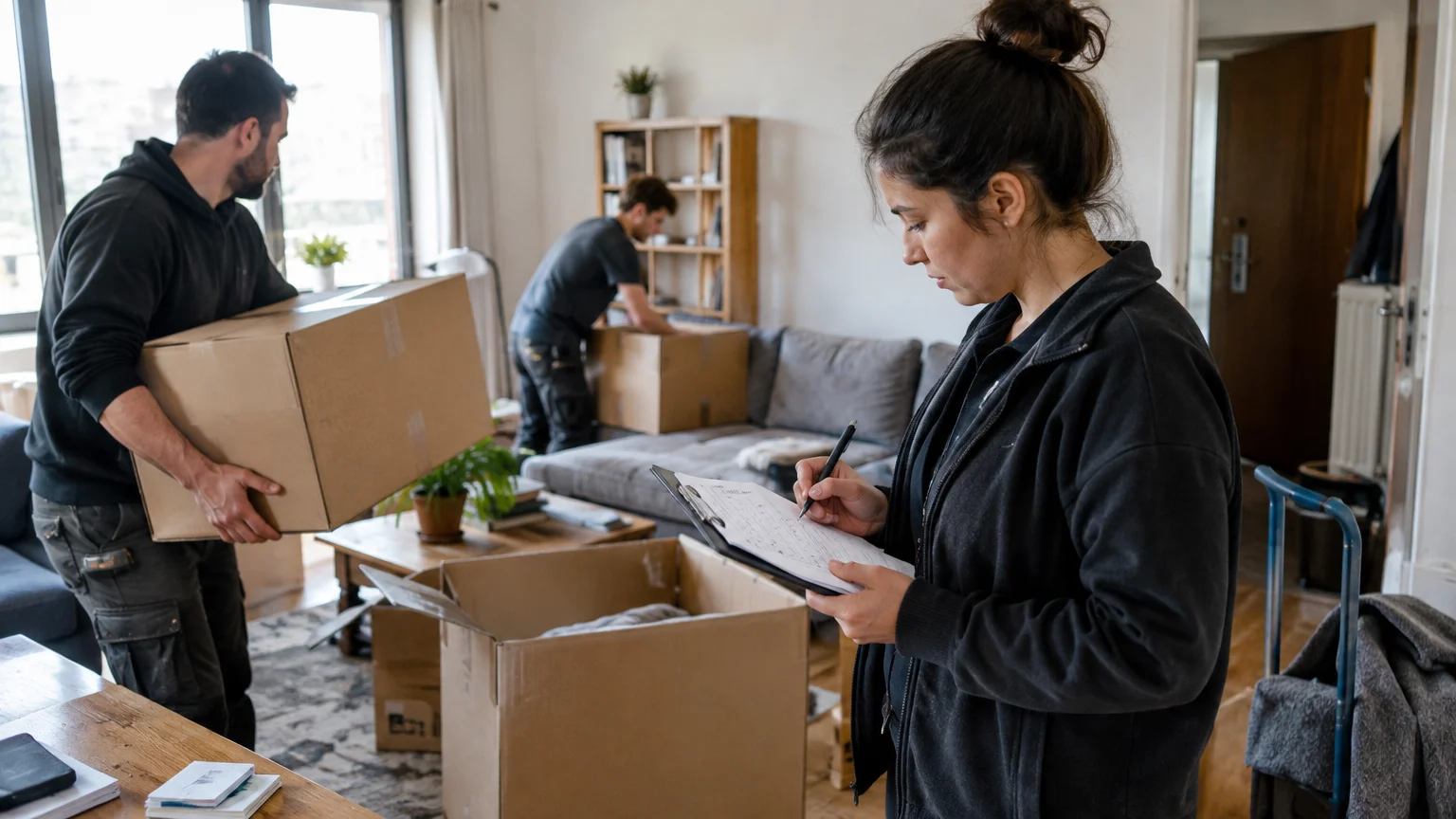
Start by checking the apartment and route. Tell the crew which items are fragile, which stay, and which boxes remain with you. Keep the essentials bag and papers separate.
Protect doors, floors, walls, and elevators as planned. Watch for blocked exits, cords, wet areas, and unsafe lifting. Speak up if the route changes or an item needs extra care.
Before the truck leaves, walk through every room, closet, cabinet, balcony, and storage area. Check shared areas too. Compare the boxes and large items with your notes.
Local Movers can help with apartment, condo, home, and small office moves in the main Temple area. Clear details about access and special items help the work stay orderly.
Complete the move-in walkthrough
At the new apartment, direct boxes to marked rooms. Keep paths open and fragile items safe. Do not block exits, heaters, electrical panels, or plumbing access.
Before unpacking, photograph floors, walls, doors, appliances, windows, and fixtures. Note damage in the move-in report and send it to the property manager as required.
Test keys, access cards, lights, water, appliances, and basic services. Check that furniture fits as planned. If an item needs another route, pause and protect the walls and floors.
Review final papers before the crew leaves. Keep copies with the lease and moving records. A careful walkthrough helps you report problems quickly.
What should you do after moving into your apartment?
After moving in, unpack what you need for sleep, food, work, and hygiene first. Then finish one room at a time. This creates a usable home without opening every box at once.
Unpack in a practical order
Start with the bedroom, bathroom, kitchen basics, and work supplies. Assemble beds before decorations. Set up medicine, chargers, towels, and daily clothes early.
Use labels to guide the order. Break down empty boxes as rooms clear, but keep a few until you know there are no missing parts or returns.
Check furniture placement before removing all protective materials. Make sure drawers open, doors swing, vents stay clear, and paths remain safe. Do not block panels or emergency exits.
A full-service residential moving team may also help with packing, loading, transport, and unpacking. The best choice depends on your time, lifting needs, and preferred level of help.
Dispose of packing materials and complete follow-up tasks
Flatten cardboard and sort it by local recycling rules. Reuse clean boxes when possible. Wrap, foam, and plastic may need different disposal methods, so check Temple guidance.
Update any addresses missed during the first round. Register pets when required. Learn trash and recycling days, then find nearby stores, pharmacies, transit stops, and urgent care.
Keep the lease, inspection report, item notes, and moving records together. If something is damaged or missing, record it quickly and follow the mover’s claims process.
Key takeaways
- Start with the lease, move date, access rules, and master folder.
- Sort belongings before packing so fewer items need to travel.
- Measure furniture, doors, elevators, halls, and stairs early.
- Label boxes by room and keep essentials with you.
- Protect shared areas and complete a careful walkthrough.
Frequently Asked Questions
How do you pack dishes for moving?
Wrap each dish with clean packing paper or another safe cushion. Place plates on their edges, add padding between pieces, and fill empty space. Use a small, strong box so the load stays manageable. Mark it clearly and keep it away from heavy items.
What should someone expect on moving day?
The crew will usually review access, items, and the loading plan first. Keep papers and essentials nearby, protect pets, and guide boxes to the right rooms. Complete a final check at both apartments before the move ends.
Should a renter hire professional apartment movers?
A renter does not need a professional for simple sorting, labels, cleaning, or basic packing. Professional help makes sense when furniture is heavy, stairs or elevators are hard, time is short, or injury and property damage are concerns. Compare the home, access, schedule, and service needs.
How should someone move a piano or another heavy item?
Large specialty items need a plan before moving day. Measure the item and its route, protect floors and walls, and ask if the crew has the right tools and experience. Never move a heavy item alone or with makeshift tools.
Are moving containers a good choice for an apartment move?
A moving container may work when the building allows it and there is a safe loading area. Confirm placement rules, delivery access, weather protection, storage terms, and elevator limits. Professional help may work better when space or building access is tight.
Conclusion
A successful apartment move begins before the first box moves. Review the lease, set a timeline, sort belongings, measure the route, update accounts, and protect shared spaces. Clear labels and a strong essentials bag make the first night easier.
Temple Texas Movers helps renters, homeowners, and property owners plan careful moves. Contact us to request a quote and discuss apartment moving help for your building, schedule, and belongings.