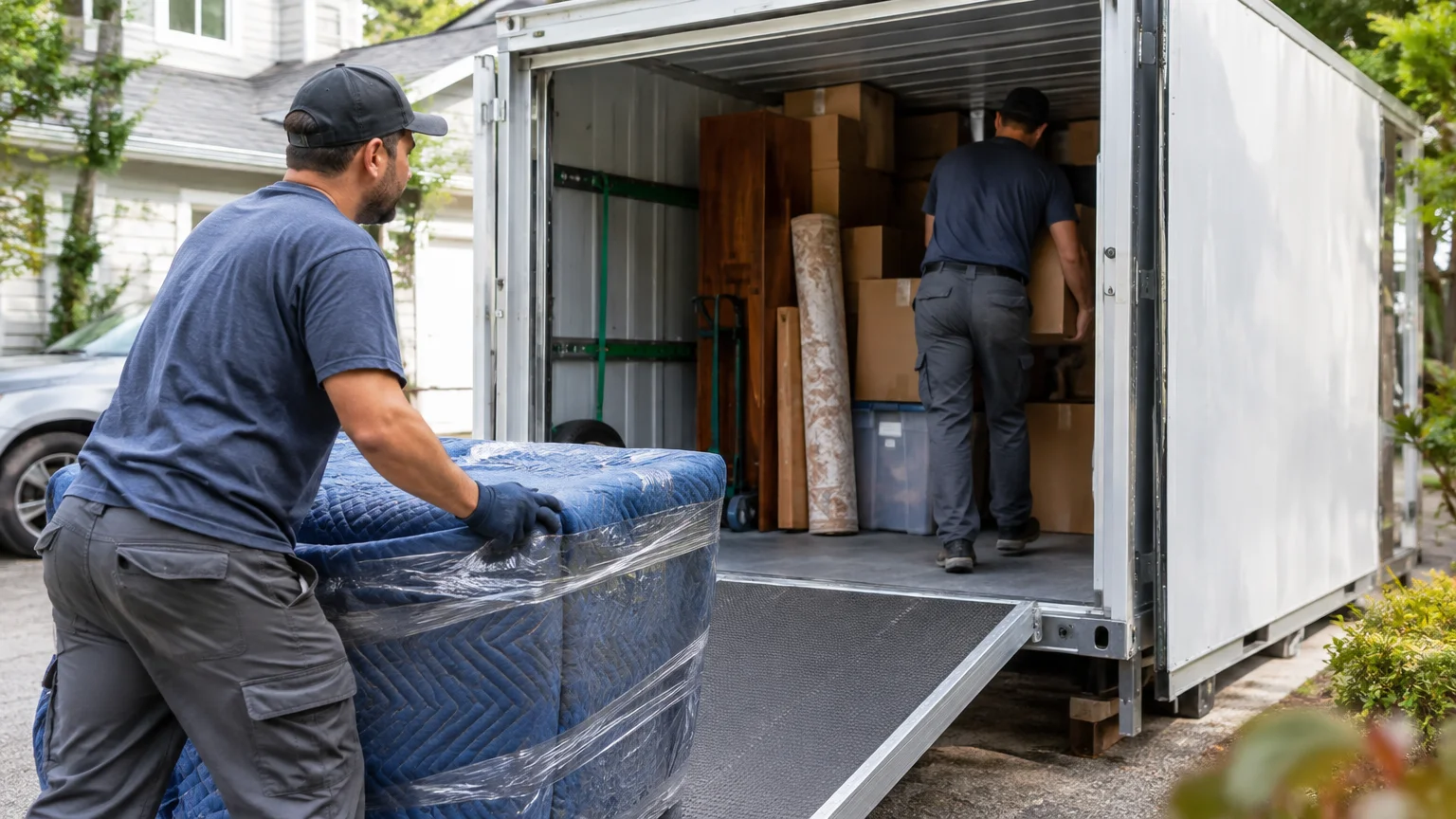
Moving pods storage cost depends on container size, travel distance, storage time, loading needs, and site access. A small local move may need less planning than a long move with months of storage. The final quote should cover the full plan, including delivery, transport, storage, and placement.
In Temple, local access rules can affect where a container is placed and how the move is planned.
What makes moving pod storage cost change?
Moving pods storage cost changes because several services work together. The container must reach the pickup site, stay in a safe place, and travel to the next address. The time it remains in storage also affects the quote.
A moving container is a large box brought to a home or business. The customer loads it, and the provider moves it to another address or storage yard. Some companies leave it on the property. Others take it to an off-site facility. Each choice affects access, timing, and labor.
How do container size and household volume affect cost?
The container should match the amount and type of property being moved. A small apartment may need less room than a full house. Sofas, beds, appliances, boxes, and office items can fill space quickly. If the container is too small, another container or trip may be needed.
Start with a simple inventory before asking for a moving estimate. Count beds, sofas, tables, appliances, and packed boxes. Business owners should also list desks, chairs, files, displays, and computer equipment. This list helps the provider suggest a useful container size.
Packing style matters, too. Fill boxes evenly and stack them with care. Place heavy items low and lighter boxes higher. Pads can help limit scratches and movement during travel. Anyone who needs help with this work can consider Loading & Unloading Help instead of doing every heavy task alone.
Why does the length of storage matter?
A longer storage period makes the storage part of the quote more important. A short gap between homes may need a simple transfer. A delayed closing, home repair, job change, or lease issue may need a longer plan.
Ask how storage time is counted and what happens if the move date changes. Find out whether the container stays at the home or moves to a storage facility. Off-site storage may protect the unit from weather and street traffic. However, access may be less easy when items are stored away from home.
How does distance affect the cost of storing a moving container?
Distance affects moving pods storage cost because the container must travel farther. A local move often has a shorter route and fewer travel needs. A long-distance move may need route planning, delivery coordination, and a longer storage period.
Distance is not the only travel concern. The pickup and delivery sites matter, too. Narrow streets, steep drives, low branches, gates, and busy business areas may limit where the container can sit. The provider needs enough room to place and collect it safely.
What transportation charges are tied to the move?
The quote may include container delivery, pickup, transport, storage handling, and final delivery. Ask which steps are part of the plan. Also ask whether a move-date change will alter the service or quote.
The property surface matters as well. A level area helps the container sit safely. The driver needs a clear path and enough room for placement. Before delivery, move cars, clear hazards, and check neighborhood or building rules.
Business moves may need more travel planning. Office equipment needs careful handling, and the move may need to happen outside work hours. Commercial & Office Movers can help businesses plan loading, transport, and setup when downtime must stay low.
How do local and long-distance moves compare?
Local moves are often easier to schedule because the route is shorter. Customers may also have more control over loading and delivery dates. Still, parking, stairs, elevators, and tight streets can slow a local move.
Long-distance moves need closer attention to timing. A customer may need storage while waiting for a lease, home sale, or new job. Weather and road conditions can affect delivery windows. Ask how the container will be tracked and when updates will be shared.
Is storing a moving container worth the cost?
A moving container can help when the customer needs flexible loading or time between homes. It lets a household pack without rushing. It may also help during a renovation, temporary move, or delayed closing.
This choice may not work well when the customer cannot lift heavy items, has little space for the container, or needs a quick move. Full-service movers may fit better when packing, lifting, transport, and placement should be handled by a crew.
When does a container make more sense than a moving crew?
A container often suits people who want control over their packing schedule. It may work well for a renter between leases, a homeowner waiting for a new property, or a small business moving in stages. The container can hold items while the next space is prepared.
A moving crew may be better for people with limited time or physical limits. Crews can also help with stairs, elevators, narrow halls, large furniture, and fragile items. Apartment Movers and Furniture Movers may help when the building or item layout creates extra work.
The right choice depends on more than the quote. Compare time, effort, risk, access, storage needs, and schedule control. A lower service level may leave much more work for the customer.
What extra work should you plan to handle yourself?
Container moving often means the customer handles much of the packing and loading. This includes sorting, boxing, labeling, wrapping, carrying, and securing items. Friends or family may help, but heavy lifting can still cause injury or damage.
Customers should plan for unpacking, too. Labels should name both the room and the contents. Dishes, glassware, and electronics need firm packing materials and careful stacking. Anyone unsure how to pack dishes can ask a moving professional for safe handling tips.
Simple tasks are often safe to do without a professional. You can sort items, pack light boxes, label cartons, and clear the loading path. Professional help is wise for heavy furniture, large appliances, fragile business equipment, stairs, and tight turns.
How can you plan for moving pod storage costs?
Planning early helps customers understand the full service. List the items, choose a likely container size, check the property, and estimate the storage period. Then request a quote that covers delivery, storage, transport, and final placement.
The quote should match the real move plan. Explain whether the container will stay at the home or move to a storage facility. Mention stairs, elevators, narrow streets, gates, parking limits, business hours, and special items.
Which timing and access details should you confirm?
Confirm delivery windows, loading time, pickup rules, storage access, and date-change steps. Ask who can open the container and whether access needs advance notice. Also ask how weather or blocked access could affect delivery.
A simple moving checklist can help:
- Confirm the container size and expected household volume.
- Check that the placement area is level and easy to reach.
- Ask how storage access and date changes work.
- Protect floors, walls, furniture, dishes, and fragile items.
- Confirm what the quote includes before scheduling the move.
Keep important items with you when possible. These may include identification, medicine, keys, records, valuables, and items needed during storage. A labeled first-night box can make the final move easier.
When should you choose a full-service moving option instead?
A full-service option may work better when you want less physical work. It can also help with heavy furniture, fragile property, stairs, long carries, or a strict deadline. Local Movers may suit a short move, while Commercial & Office Movers can help reduce business downtime.
People comparing moving pods vs movers should look at the full workload. A container may require packing, loading, waiting, unloading, and arranging items. A crew may handle more of these steps, which can save time and reduce lifting risks.
Key takeaways
- Match container size to the home or office inventory.
- Plan carefully when storage lasts for a longer period.
- Distance, access, and delivery conditions shape the quote.
- Customers handle more packing and lifting with a container.
- A moving crew may fit better when time or safety is a concern.
Frequently Asked Questions
How much are moving pods to rent?
The final amount depends on container size, travel distance, storage length, delivery access, and included work. A short local move with little storage is usually simpler than a long move with extended storage. The final cost is confirmed on a quote that reflects the actual inventory and schedule.
How do moving pods work?
A provider delivers a storage container to a home or business. The customer loads it or hires help for loading. The provider then moves it to another address or a storage facility. When ready, the container is delivered for unloading.
Are moving pods better than movers?
Neither option works best for every move. A container can suit customers who want flexible packing and storage. Movers may be better for heavy lifting, fragile items, stairs, tight spaces, or strict deadlines. The best choice depends on time, physical ability, access, and the work you want to manage.
Can someone help load a moving container?
Yes, customers can often hire professional loading and unloading help. This can reduce lifting risks and help use container space well. Share details about stairs, heavy items, fragile property, and the loading area so the work can be planned safely.
Conclusion
Moving pods storage cost covers more than the container itself. Size, distance, storage time, site access, and loading needs all shape the final quote. Temple Texas Movers helps homeowners, tenants, and business owners compare a container plan with a moving crew. Temple customers can review their access and storage needs before requesting a quote. Temple Texas Movers can help explain the available moving options. Contact us to request a quote for the move plan that fits your needs.